Action — surface only
Capillaries remain open below the film. Failure mode: abrasion, UV, freeze-thaw.
Concrete waterproofing · Deep penetrating sealer
One coat. Permanent. Direct factory pricing. Xile DPS penetrates concrete and bonds inside the slab — waterproofing and protection in a single water-based, non-toxic application. Twenty-five years of one chemistry, shipped to your project worldwide.
30 mm
Depth of penetration
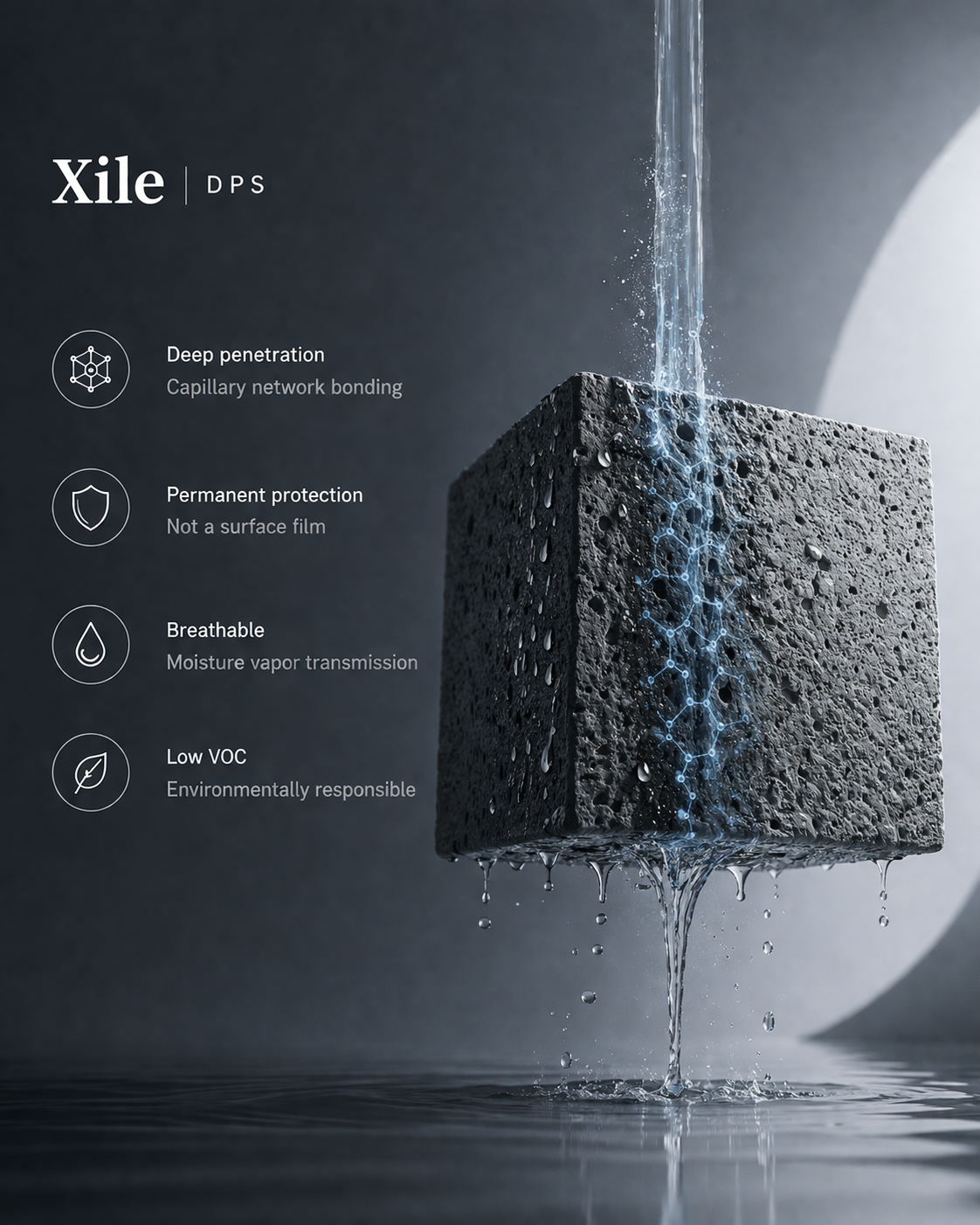
Most surface coatings sit within the top 1 mm. Xile DPS works through the capillary network of the slab itself.
+ 30 %
Compressive-strength gain
Measured on treated substrates. The silicate reaction densifies the matrix from within.
− 36 %
Chloride ion ingress
Treated panels absorbed up to 36% less chloride than untreated controls (CNS1232 / ASTM C39). The mechanism that drives reinforcing-steel corrosion in road-salt and marine exposure.
800 °C
Thermal stability
Specified in waste-incinerator concrete protection. Heat resistance plus monolithic substrate integration — an envelope organic and hydrophobic sealers cannot enter.
One coat
Single application
No primer, no topcoat, no recoat cycle. Water-based; compatible with standard low-pressure spray or roller equipment.
Concrete is porous. Every slab contains an internal network of capillaries and free calcium hydroxide left over from the curing process — the same calcium hydroxide that conventional sealers sit on top of and eventually fail against.
Xile DPS is a deep penetrating sealer — a low-viscosity solution of silicate chemistry in water. On contact with concrete, it penetrates the capillary network and reacts with free calcium hydroxide to produce calcium silicate hydrate — the same mineral phase that gives cured concrete its strength.
The reaction product is permanent, inorganic, and indistinguishable from the concrete matrix it forms within.
Reaction Ca(OH)2 + SiO2 · nH2O → C–S–H + H2O
Action — surface only
Capillaries remain open below the film. Failure mode: abrasion, UV, freeze-thaw.
Action — reaction at depth
Capillary network reacts with free Ca(OH)2 and forms C–S–H. The slab densifies from within.

Protects reinforcing steel from chloride ingress driven by road salts and marine exposure.
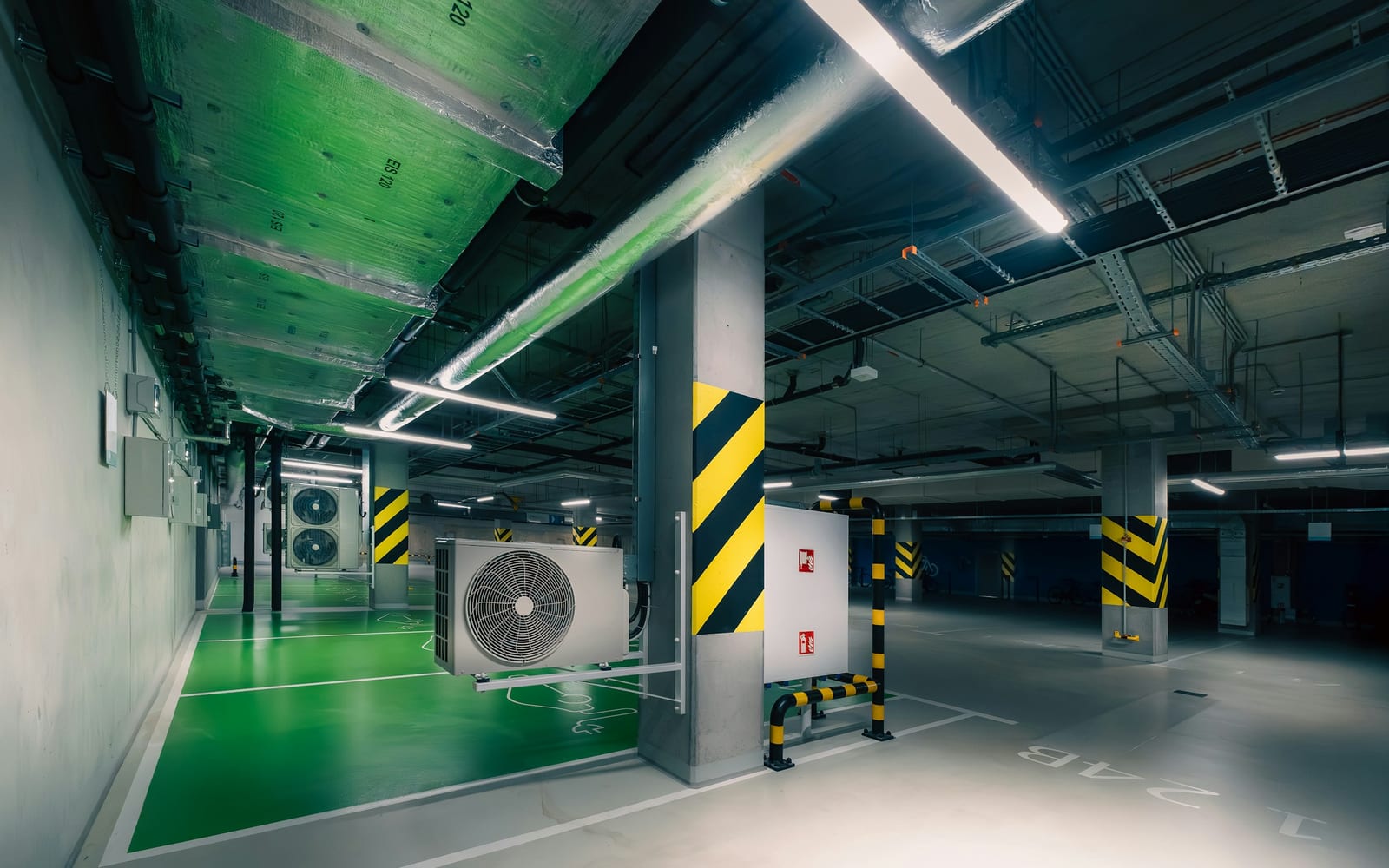
Densifies the wearing surface and resists freeze-thaw cycling without trapping moisture below a film.
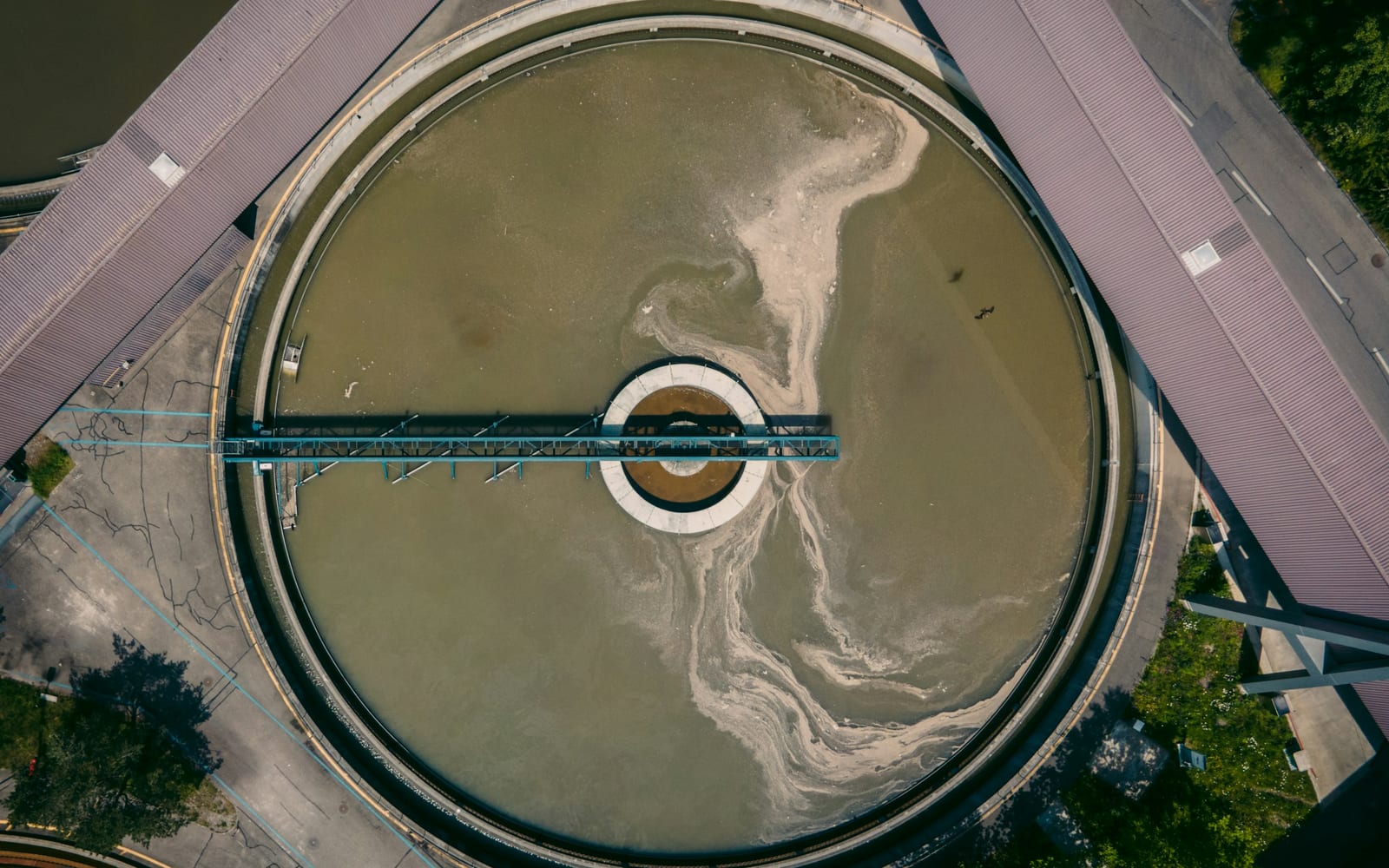
Inorganic chemistry suitable for environments where organic sealers break down or leach.
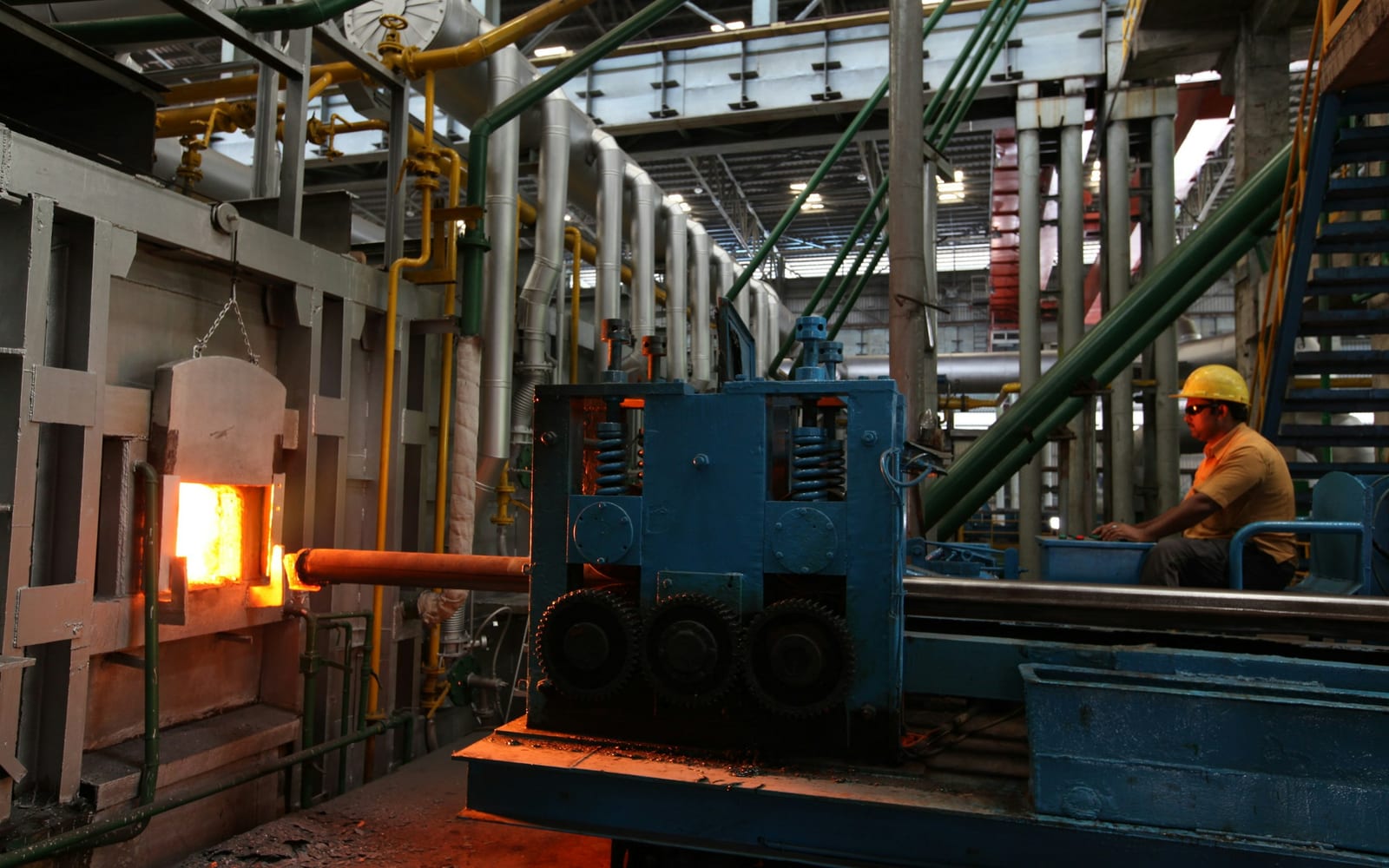
Stable to 800 °C — specified for waste-incinerator concrete protection where organic sealers cannot survive. Same product handles forklift abrasion and pallet-jack traffic on conventional industrial slabs.

Polished-concrete densification and long-cycle dust control in schools, hospitals, and public buildings.
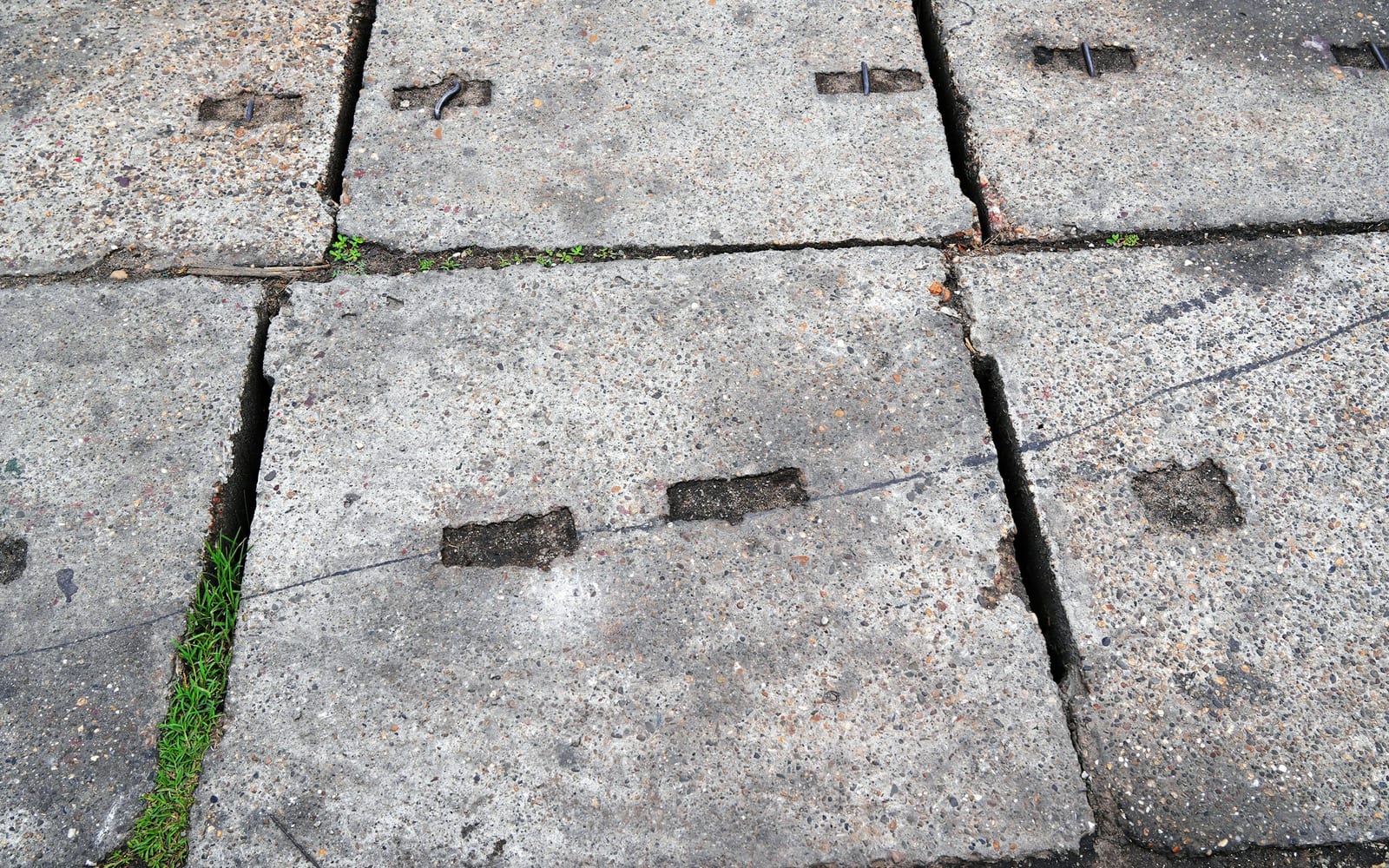
Field tests on substrates of varying initial density show the largest impermeability gains on the weakest substrates — the densifier works hardest where densification matters most.
| Dimension | Xile DPS inorganic silicate | Film-forming acrylic, polyurethane | Hydrophobic silane, siloxane |
|---|---|---|---|
| Mechanism | Reacts within the capillary network | Coats the surface | Repels water at the surface |
| Service life | Permanent once reacted | 2–3 yrs before re-application | 5–7 yrs before beading loss |
| Traffic performance | Densifies the substrate itself | Wears under abrasion; shows tire marks | Not load-bearing; cosmetic-only on floors |
| Chloride ingress | 20–36 % less ingress at depth (CNS1232 / ASTM C39) | Surface coating only; ingress continues below the film | Repels water at the surface; chloride continues at depth |
| Thermal envelope | Stable to 800 °C — used in waste-incinerator concrete protection | Degrades at elevated temperatures | Limited above ~150 °C |
| Re-coat cycle | Single application | Required every 2–3 yrs | Required every 5–7 yrs |
| Substrate impact | Increases compressive strength +20–30 % | Reduces vapor breathability | Neutral |
Conventional sealers treat the surface. Xile DPS changes the slab.


Aerial views of the Mongu–Kalabo Road causeway and bridge crossings, Barotse Floodplain, Western Province, Zambia.
Send us the shape of your project — substrate, conditions, scale, timeline. The Xile DPS team will walk it through with you: compatibility, coverage calculations, sample evaluation, pricing and lead times.
Distributors & OEM partners — Open a partner conversation